Have you ever whipped up a batch of crumbly cookies, a dozen dry muffins, or a cake that just won’t hold its shape, leaving you feeling like a baking disaster? The culprit is often inaccurate flour measurements—either too little or too much.
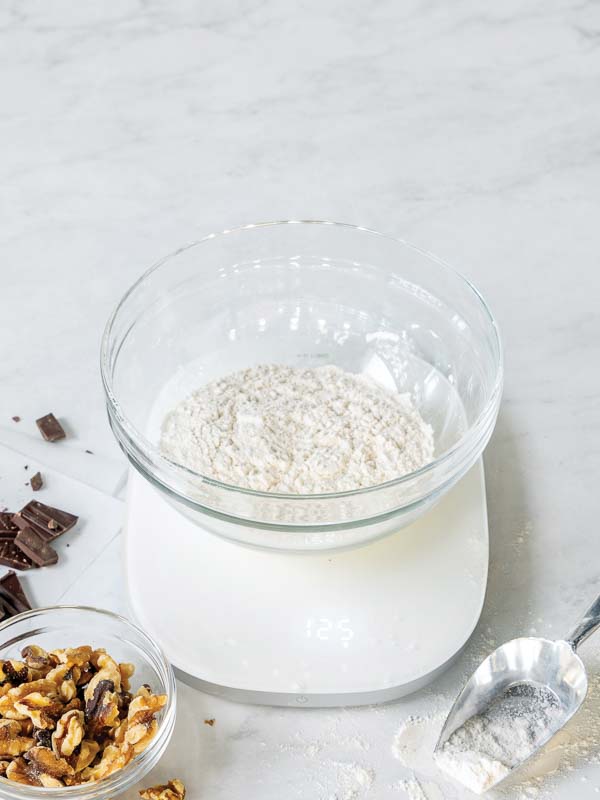
If you were to place a 1-cup measuring cup and a bag of flour in front of five people, ask them to measure out 1 cup, and then weigh each person’s measurement, you’d end up with different results every time. Why? Because we all have various methods of measuring flour. Some swear by fluffing the flour beforehand. Others dive deep and swoop up, leveling the top of the cup slowly with the back of a butter knife. Some tip the bag with abandon until an avalanche of flour somehow finds its way into the cup, along with a cloud of flour on every surface of their kitchen. This is why a scale carries its weight in gold. When you measure 125 grams of flour (1 cup) using a scale, it will always be 125 grams. No. Matter. What. Lean into it and allow your scale to give you comfort in the kitchen by ensuring every ingredient is measured precisely as the recipe intended.
 Eliminate Guesswork
Whether doubling (or tripling) a recipe for a crowd or scaling down a recipe for a cozy small-batch bake, the scale is your best friend through it all! It lets you adjust ingredient weights seamlessly without the hassle of converting volumetric measurements. There’s no more guesswork involved in how firmly you’re packing brown sugar into a cup, estimating irregularly shaped ingredients like berries, nuts, and chocolate chips, or painstakingly scraping every last bit of honey or corn syrup from a measuring cup.
And that’s not all—your trusty scale comes in handy for evenly dividing batter between cake pans or solving the mystery of how many cookies you’ll get from a batch if you decide to change their size. Just weigh the whole batch of dough and then a single portion of cookie dough. Divide the total weight of the dough by the weight per cookie. Voilà! You’ve got the new yield figured out just like that!
Simplify Your (Baking) Life
Cleanup after baking can feel daunting, but the scale swoops in as a true hero once more. By using a scale, you save precious time during baking but also minimize cleanup afterward. Instead of wading through a mountain of measuring cups and spoons, you’re left with just a few tools to clean. Plus, using a scale is easier.
Simply turn on your scale, place your bowl on it, and press the “tare” button; the screen should then have a “0” on it. (The word “tare” originates from Middle English and referred to a deduction or allowance for the weight of a container.) This process subtracts the container’s weight and resets the scale to zero, which lets you accurately measure the weight of the contents you add to the container without the container’s weight affecting the measurement. Once you add an ingredient to the bowl, reset it to zero and keep adding ingredients. Measure, reset to zero, repeat. And rest assured that you’re on the path to baking success.
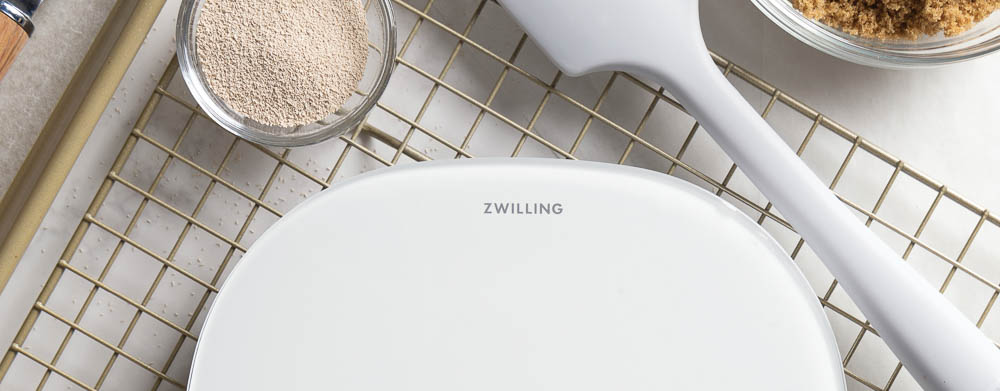
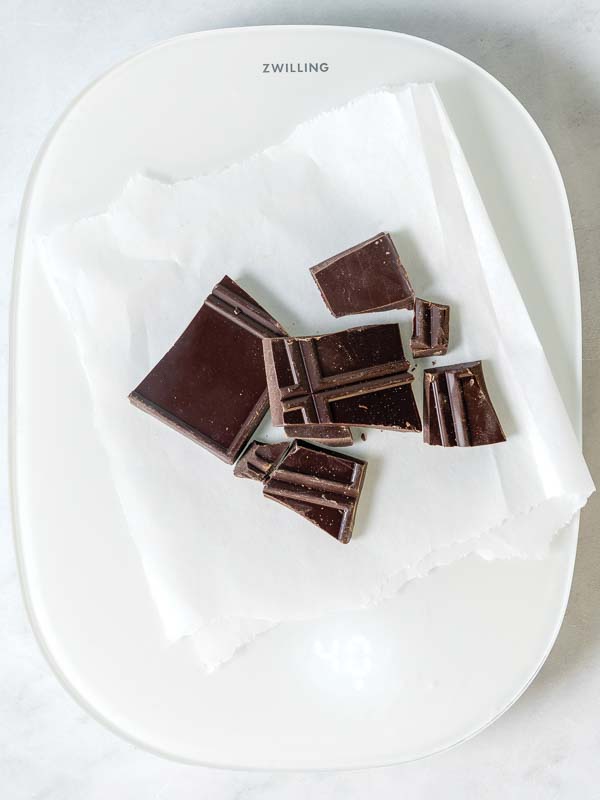 Meet the Bake from Scratch test kitchen’s favorite kitchen scale: the Zwilling Enfinigy Scale.
It’s streamlined and stylish enough to leave on your countertop. Its 22-pound weight capacity surpasses other similar scales, and its accuracy to 1 gram ensures precise measurements. Its built-in battery is fully rechargeable with included USB cable, and the fully sealed glass surface is a breeze to wipe clean. Plus, the display seamlessly blends into the weighing platform, giving plenty of room for your bowl.