When a baking recipe calls for oil or “neutral oil,” most of us instinctively grab vegetable oil. But there is a whole pantry of options out there, options that come with not only different price points and potential health perks but also different baking outcomes.
The type of oil you use affects more than just flavor; it also changes the crumb structure, moisture retention, and even the color of your cake. We wanted to find out what really happens when you swap oils in the same cake recipe—seven times over. (Yes, we baked and ate seven cakes for you. You’re welcome.) Here is what we tested, along with the price per ounce (in our Birmingham, Alabama, area) for a little budgeting help.
We judged them on flavor, texture, rise, and overall deliciousness, plus we kept an eye on the health benefits.
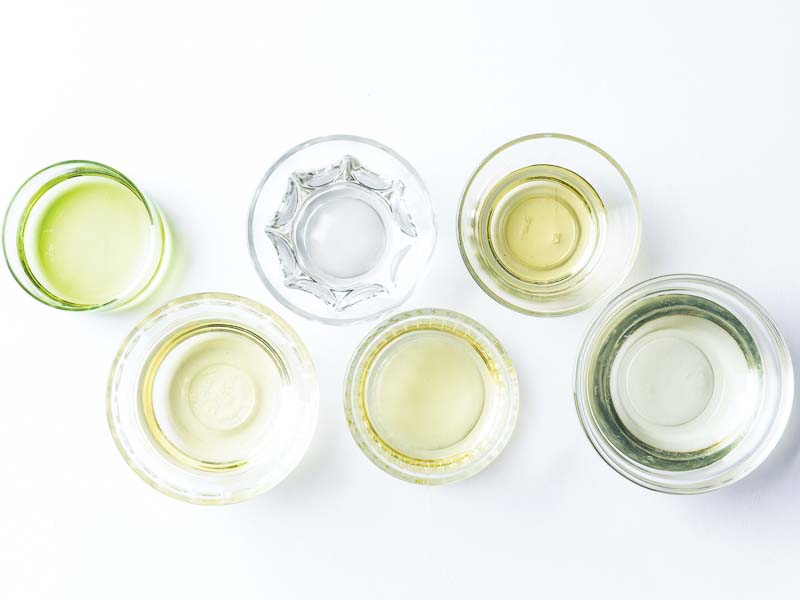
The Lineup
VEGETABLE OIL: $0.07/ounce
CANOLA OIL: $0.11/ounce
GRAPESEED OIL: $0.23/ounce
LIGHT OLIVE OIL: $0.46/ounce
AVOCADO OIL: $0.50/ounce
LIQUID COCONUT OIL (also known as fractionated coconut oil): $0.51/ounce
ALGAE OIL: $1.31/ounce
How Each Oil Baked Up
VEGETABLE OIL (Control)
The trusty standby
Bake: Even rise, no cracking
Flavor: Clean
Texture: Moist but not greasy, even crumb
Health note: Affordable and dependable but higher in omega-6 fatty acids, which should be balanced with omega-3s for heart health
CANOLA OIL
Our least favorite
Bake: Shorter rise, darker crust, visible fat line at the bottom
Flavor: Greasy mouthfeel with an odd aftertaste
Texture: Uneven, large air pockets and cracking
Health note: Low in saturated fat, has omega-3s, but cheaper brands can be heavily processed and sometimes leave off-flavors
GRAPESEED OIL
A pleasant surprise
Bake: No cracks on top; beautiful, even rise
Flavor: Slightly sweeter than vegetable oil, clean taste
Texture: Light, open crumb; not greasy
Health note: High in vitamin E and polyunsaturated fats, but watch for refined versions, which can be more processed
LIGHT OLIVE OIL
Good but a little moody
Bake: Slightly cracked top, moist crumb, but a little wetter than ideal
Flavor: Noticeable green, slightly fruity taste. “Light” olive oil refers to olive oil with a mild flavor, not a lower fat or calorie content. It’s still 100% oil, just without the strong, peppery taste of extra-virgin olive oil. Perfect for baking when you don’t want savory flavors creeping in.
Texture: Soft but slightly oily
Health note: Rich in monounsaturated fats and antioxidants; a staple of the Mediterranean diet
AVOCADO OIL
A flavor-forward pick
Bake: Slight cracking on top but no big deal
Flavor: Floral, slightly green—like spring in a cake
Texture: Moist without being greasy
Health note: Packed with monounsaturated fats and antioxidants like lutein, which benefits eyes
LIQUID COCONUT OIL
Steady and neutral
Bake: Slightly shorter cake, but even top and crumb
Flavor: Neutral—no coconut flavor here
Texture: Soft but a little sturdier than others
Health note: High in saturated fat but contains medium-chain triglycerides (MCTs), which some studies suggest can be used quickly by the body for energy
ALGAE OIL
The quiet achiever
Bake: Minor tunneling, slight cracking, but very similar to vegetable oil overall
Flavor: Practically flavorless—a clean blank canvas
Texture: Light and smooth
Health note: Super high in omega-3 fatty acids, even higher than some fish oils, and a great plant-based choice for brain and heart health
EXTRA TIP: Oils can turn rancid faster than you think. If it smells “off,” it’s time for a fresh bottle.
The Final Results
Our ranking of oils in order of preference:
- VEGETABLE OIL
- ALGAE OIL
- LIQUID COCONUT OIL
- GRAPESEED OIL
- AVOCADO OIL
- LIGHT OLIVE OIL
- CANOLA OIL
For frequent baking, grapeseed oil strikes the best balance between budget-friendly and bakery- worthy results. If you’re aiming for healthier bakes without sacrificing flavor and texture, avocado and grapeseed oils are winners. Want an ultra-neutral, heart-healthy option? Give algae oil a try. And while vegetable oil remains a solid classic, don’t be afraid to experiment—you might find a new favorite that fits both your taste buds and your wellness goals.

Cakes made with cooking oils boast an extra-light crumb and are undeniably moist compared to those made with butter. Bonus points? Neutral oils won’t add any strong flavors, so they provide the ultimate canvas for tasty mix-ins—from a spiced cake spin on classic zucchini bread to an orange blossom-scented strawberry cornmeal cake.